








Apollo.io logoAlternatives · Updated Mar 2026

7 Apollo.io Alternatives in 2026 for After the Credit Cap

Apollo Basic hands you 30K credits a year, and active prospecting teams tend to burn through that by month four. These seven alternatives are sorted by whichever constraint tripped you up: credits, per-seat pricing, or data depth.

Aryan S
4 min readUpdated Mar 2026

How we ranked them

How we ranked these data-and-sender swaps

  • Whether data comes bundled or you're on your own for sourcing it (a decision Apollo forces post-switch)
  • How generous the annual credit pool is at the tier you'd realistically buy
  • The quality of intent and buying-stage signals, Apollo's main differentiator
  • Whether sequencing is treated as a core product or a bolted-on side feature
  • Effective per-seat cost across a full year (Apollo Pro at $79 × 12 × seat count)
  • Hours logged hands-on across at least three real Apollo accounts

Why switch

Why people switch from Apollo.io

01

Credits run out well before the year does

Apollo Basic hands out 30K credits annualized. Teams prospecting heavily burn through that in three to four months, then either eat overage charges or stop prospecting until renewal. The math punishes exactly the teams moving fastest.

02

Outreach is the weakest link in the product

Apollo grafted email sequencing onto what's fundamentally a data tool. A/B testing, conditional sequences, reply detection, and deliverability instrumentation all lag behind dedicated cold email platforms. Most Apollo users end up running actual campaigns somewhere else.

03

Data accuracy drops off outside the US

Apollo's 275M contacts skew heavily American. EMEA and APAC records carry noticeably higher bounce rates. Teams selling outside North America usually notice this on their very first campaign.

04

Per-seat, per-credit, and a minimum, all stacked together

Organization at $119/user/mo comes with a 3-user minimum, or $357/mo. Combining per-seat pricing, credit pools, and a seat minimum makes the bill harder to predict than tools priced by account or by volume.

At a glance

Quick Comparison

Pick your must-haves to see which tools qualify. Click a tool to jump to its review.

Must have:7 tools
ToolBest forPriceIPsDialer
SendboxThe sending side fixed, with data bundled inFlat, unmetered pricing
Hunter.ioThe same credit-based model, at a lower price$49/mo
Snov.ioA lower entry point with a built-in CRM$30/mo
Reply.ioAn AI SDR on top of a larger 1B database$49/mo
ProspiBundled AI workflowsCustom
SalesflowLinkedIn-first, priced for agency seat counts$99/seat
ReachInboxAn AI sequencer paired with data you bring$49/mo

Switch to Sendbox

Dedicated IPs. Isolated infrastructure. From $99/mo.

Get Started

The ranking

The 7 Best Apollo.io Alternatives

1

Sendbox

Our pick

Best for: when the real Apollo problem was the sending side

Most Apollo users end up running campaigns on a different platform anyway. Sendbox folds data and sending into a single bill: dedicated IPs, a 350M-contact finder, a dialer, a CRM, and validated leads, with no credits to budget and no annual pool to ration. The raw database is smaller than Apollo's, but the deliverability infrastructure behind it means more of what you send actually converts.

Strengths4

  • Dedicated IPs on every plan
  • 350M+ contacts bundled, with no credit math to manage
  • Flat-rate pricing, no per-seat scaling
  • Dialer and CRM included

Limitations3

  • No intent signals the way Apollo offers
  • No free plan
  • A newer platform with a smaller integration ecosystem

PricingEssential, Plus, Pro, and Agency, four flat tiers, priced with no metered add-ons.

Best forTeams who used Apollo for data but ran their sequences on a separate tool regardless.

Get Started
2

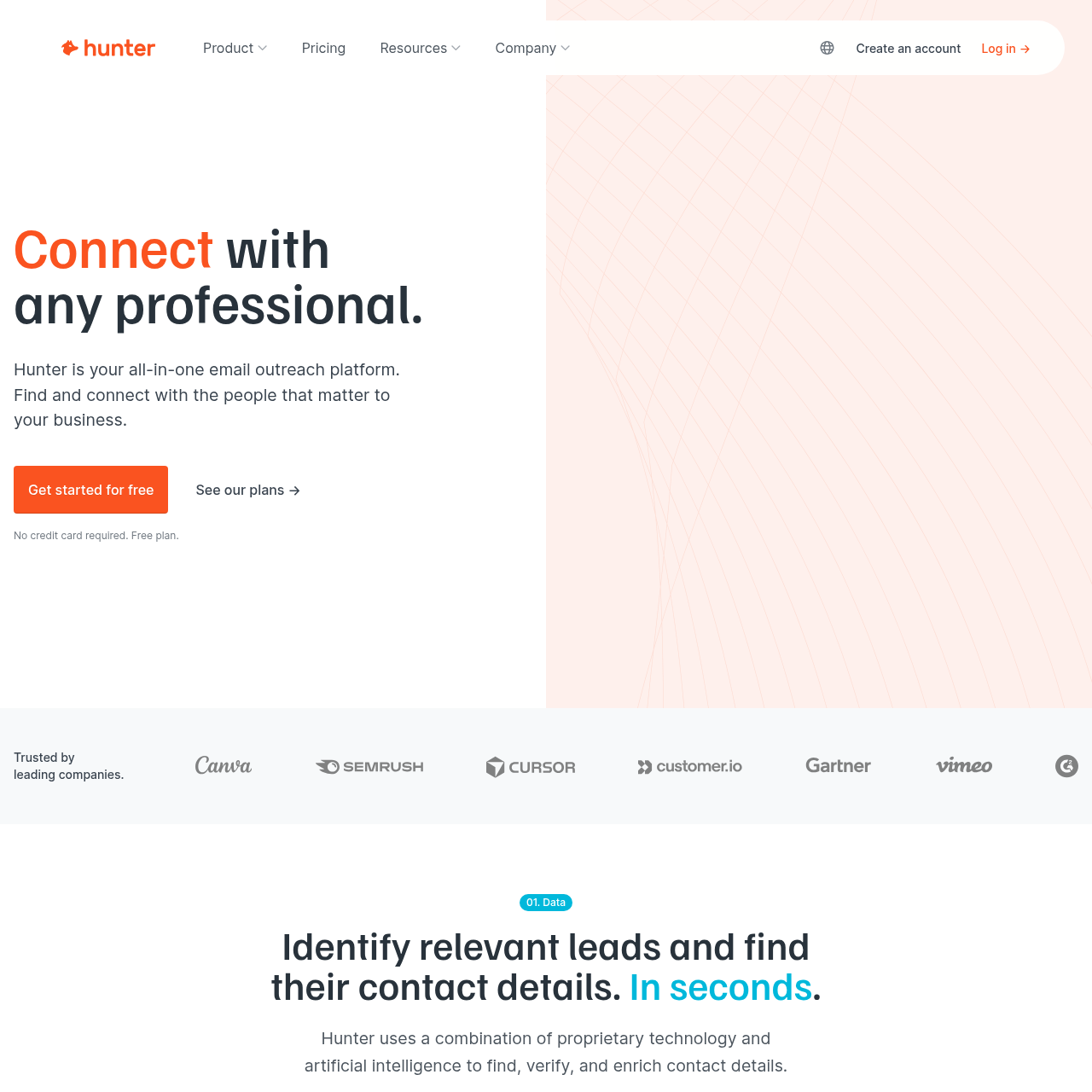
Hunter.io

Best for: the same credit-based mental model, at a lower cost

Hunter is the most direct like-for-like swap when it comes to pricing philosophy. Credits pay for finds, verifications, and campaign sends out of one pool. Starter at $49/mo buys 2K credits with 5 seats, and intent signals show up at the higher tiers the same way they do on Apollo.

The database is smaller and the sequencer even weaker than Apollo's, but for finder-first workflows, the math is simpler to reason about.

Hunter.io homepage
Source: Hunter.io

Strengths5

  • A credit-based model Apollo users will find familiar
  • Intent signals from Growth up
  • Five seats included on Starter
  • Domain search built in
  • A free 50-credit tier

Limitations4

  • A smaller database than Apollo's
  • A weaker sequencer than Apollo's
  • No warmup at any tier
  • No dialer

PricingFree: 50 credits. Starter: $49/mo. Growth: $149/mo. Business: $499/mo.

Best forApollo users whose actual workflow was almost entirely finding emails.

Sendbox vs Hunter.io: full comparison
3

Snov.io

Best for: finally getting a CRM Apollo never gave you

Snov.io is the smaller-scale data tool that comes with a real CRM attached. Finder, verifier, sequencer, and CRM all sit inside the $30/mo Starter plan. Apollo, by contrast, charges $49/user/mo before offering anything resembling pipeline tracking.

The 50M-company database is smaller and skips intent signals, but the bundled CRM is the upgrade most Apollo users were actually after.

Snov.io homepage
Source: Snov.io

Strengths4

  • A lower entry price than Apollo's $49/user
  • A built-in CRM with deal stages
  • A free tier available
  • Warmup unlocks on Pro 5K

Limitations4

  • A smaller 50M database
  • No intent signals
  • A shared credit pool
  • No dedicated IPs

PricingFree: $0/mo. Starter: $30/mo. Pro 5K: $75/mo.

Best forSolo operators and small teams who wanted Apollo plus a real CRM.

Sendbox vs Snov.io: full comparison

Switch to Sendbox

Dedicated IPs. Isolated infrastructure. From $99/mo.

Get Started
4

Reply.io

Best for: a 1B-contact database with an AI SDR running on top

Reply.io combines data and AI. Its 1B+ contact database dwarfs Apollo's 275M, and the AI SDR (Jason) takes on the top-of-funnel work Apollo users currently do by hand. Email Volume starts at $49/mo, undercutting Apollo Basic.

The AI SDR add-on at $259/mo is a steep jump, but it's replacing a job, not just adding a feature.

Reply.io homepage
Source: Reply.io

Strengths4

  • A 1B+ contact database against Apollo's 275M
  • An AI SDR handling prospecting and replies
  • Full multichannel: email, LinkedIn, calling, WhatsApp, SMS
  • Email Volume priced under Apollo Basic

Limitations3

  • The AI SDR adds $259-$499/mo on top
  • A steeper learning curve than Apollo
  • No dedicated IPs without an enterprise deal

PricingEmail Volume: from $49/mo. AI SDR: from $259/mo.

Best forTeams ready to move from manual prospecting to AI-assisted outbound.

Sendbox vs Reply.io: full comparison
5

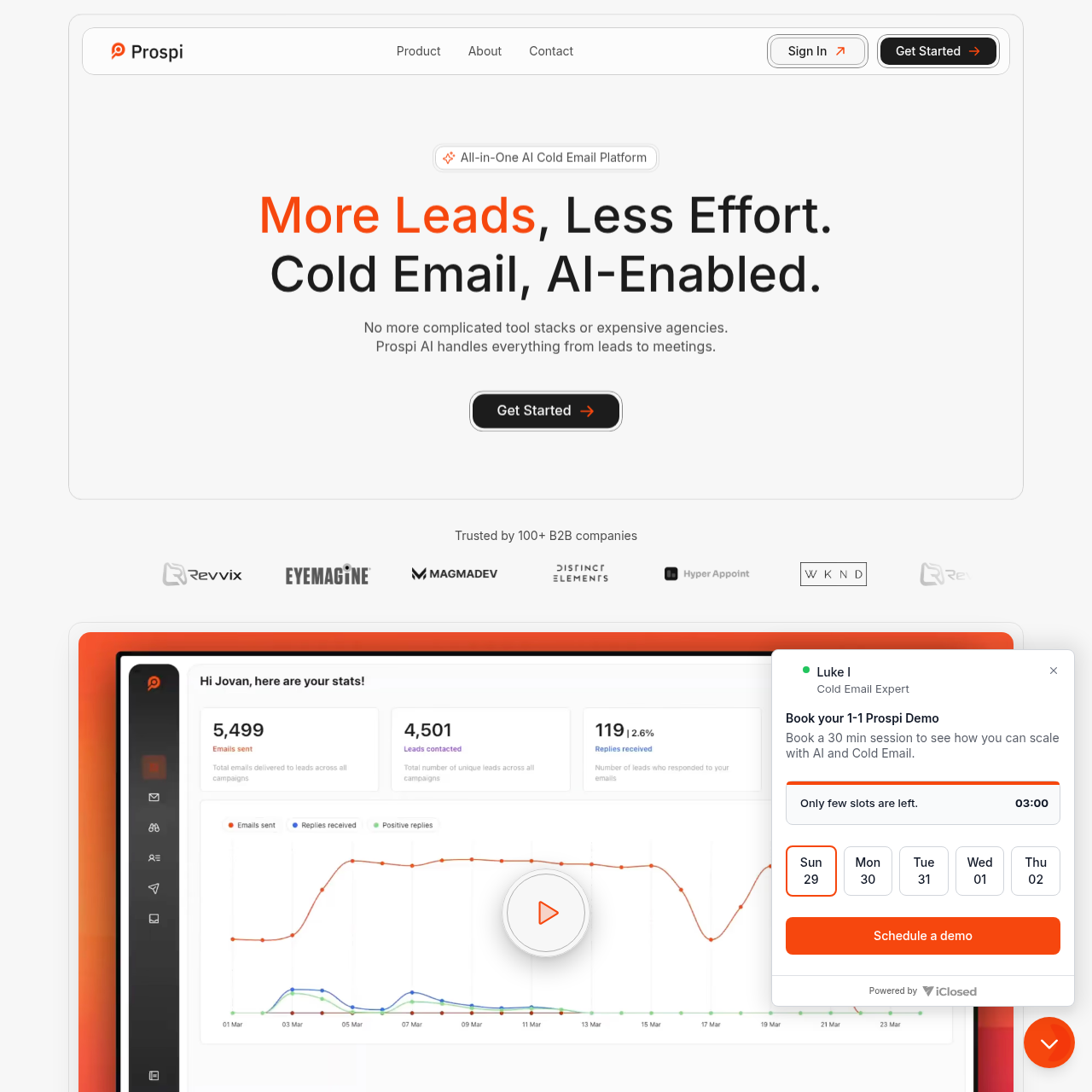
Prospi

Best for: replacing the whole data-plus-tools stack with bundled AI

Prospi bills itself as the bundled answer: 325M leads, AI personalization, automated inbox setup, and AI inbox management, all in one place. Pricing is custom-only, so evaluating it means booking a sales call. For Apollo users juggling a multi-tool stack, Apollo plus Smartlead plus warmup plus a dialer, Prospi's single-vendor approach could collapse the bill, but you won't know the number until you sit through a demo.

Prospi homepage
Source: Prospi

Strengths4

  • One product instead of Apollo plus a separate sequencer
  • A 325M+ contact database
  • AI inbox management
  • Bundled mailbox provisioning

Limitations4

  • No published pricing
  • A sales call is required
  • A smaller company than Apollo's
  • No dedicated IPs

PricingCustom only.

Best forApollo users tired of stitching together three separate tools.

Sendbox vs Prospi: full comparison
6

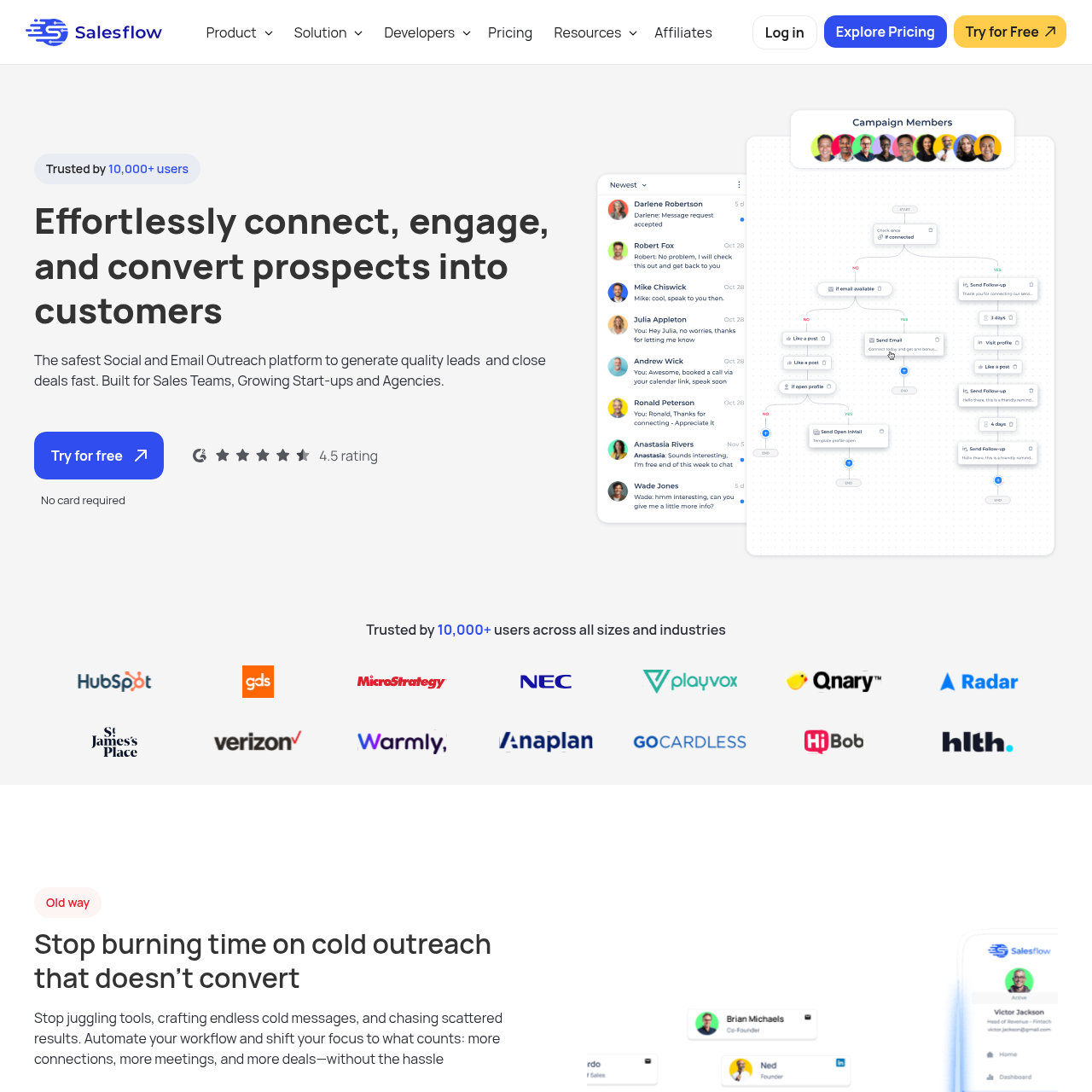
Salesflow

Best for: when LinkedIn was the channel Apollo never covered

Salesflow is the LinkedIn-agency tool for Apollo users who noticed their best replies were coming from LinkedIn all along. Per-seat pricing includes real volume discounts (down to $29.98/seat at 50+), with whitelabel on Pro. Apollo has no native LinkedIn automation, so this is the swap for outreach that was always headed LinkedIn-first anyway.

Salesflow homepage
Source: Salesflow

Strengths4

  • LinkedIn Smart Sequences
  • Volume discounts starting at 5 seats
  • Whitelabel available on Pro for agencies
  • Rates as low as $29.98/seat at 50+ seats

Limitations3

  • The email side is fairly thin
  • No native database
  • No dialer

PricingBasic: $99/seat. Starter (5+): $70/seat. Pro (20+): $39.95/seat. Agency (50+): $29.98/seat.

Best forTeams whose Apollo data was really fueling LinkedIn outreach all along.

Sendbox vs Salesflow: full comparison
7

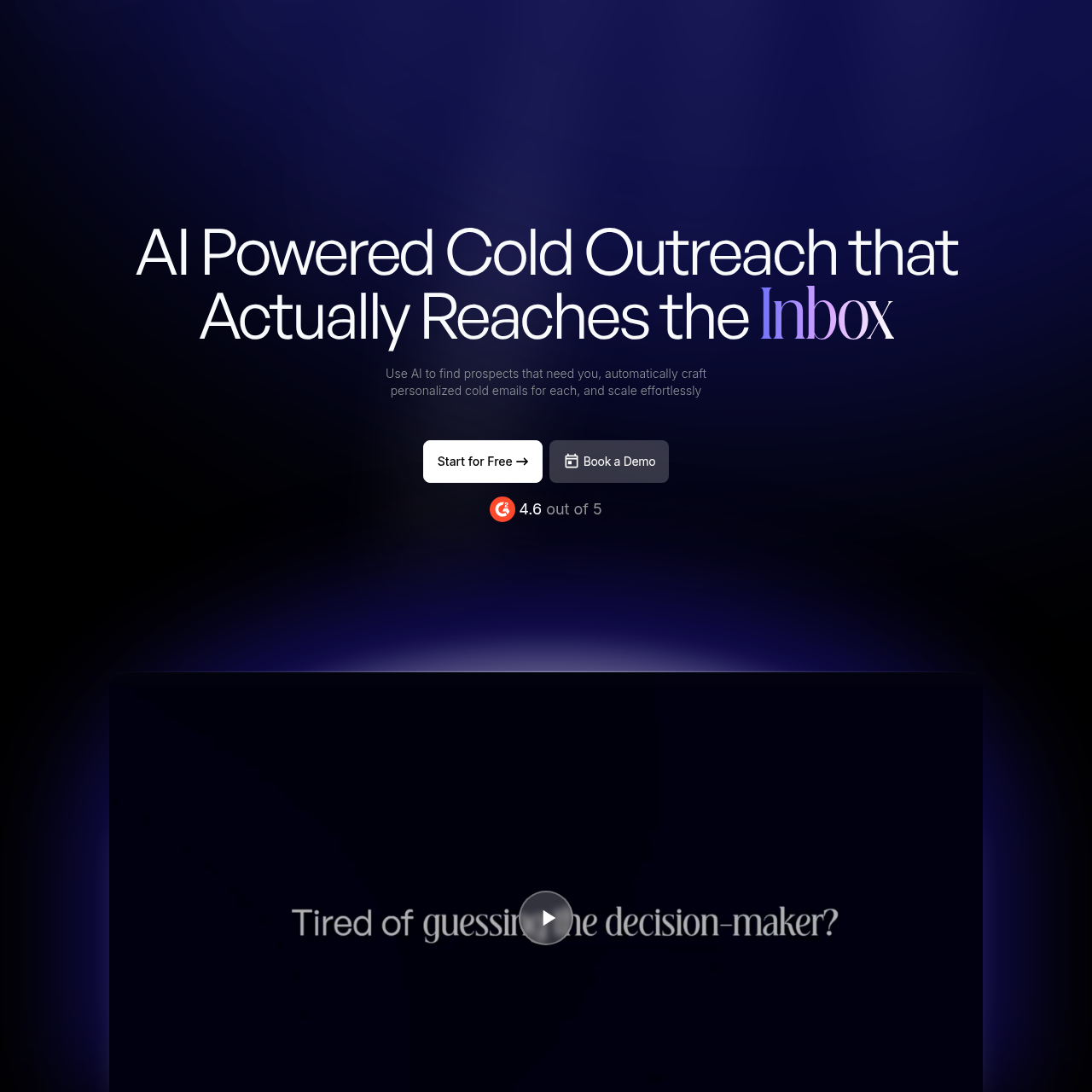
ReachInbox

Best for: bringing your own data to a genuinely capable AI sequencer

ReachInbox is a standalone sequencer built to pair with whatever data source you're already using, Apollo exports, Hunter, or your own list. Entry starts at $49/mo, with AI-led sequencing, reply handling, and volume-based scaling. It won't replace your data source, but it's the cleanest fix if the sequencer, not the data, was most of what you were paying Apollo for.

ReachInbox homepage
Source: ReachInbox

Strengths4

  • AI sequencing and reply detection
  • Billed by volume, not by seat
  • A cleaner interface than Apollo's sequences
  • Pairs with any data source

Limitations3

  • No native database
  • Sends from shared infrastructure
  • No dialer

PricingFrom $49/mo. Scales with volume.

Best forApollo users keeping their data on Apollo but moving sending elsewhere.

Sendbox vs ReachInbox: full comparison

Sources

faq

Got questions? We've got answers.

Basic's 30K credits annualized works out to about 2.5K a month. Teams prospecting heavily (50K+ contacts touched per quarter) burn through that in three to four months, then either eat overage charges or stop prospecting until renewal. The credit math penalizes exactly the velocity outbound teams need.

Ready to land in primary?

Get your own isolated Sendbox setup running and start sending inside 15 minutes.

Every plan includes a dedicated IP. Cancel whenever you want.